
STORAGE & HANDLING MATERIALS
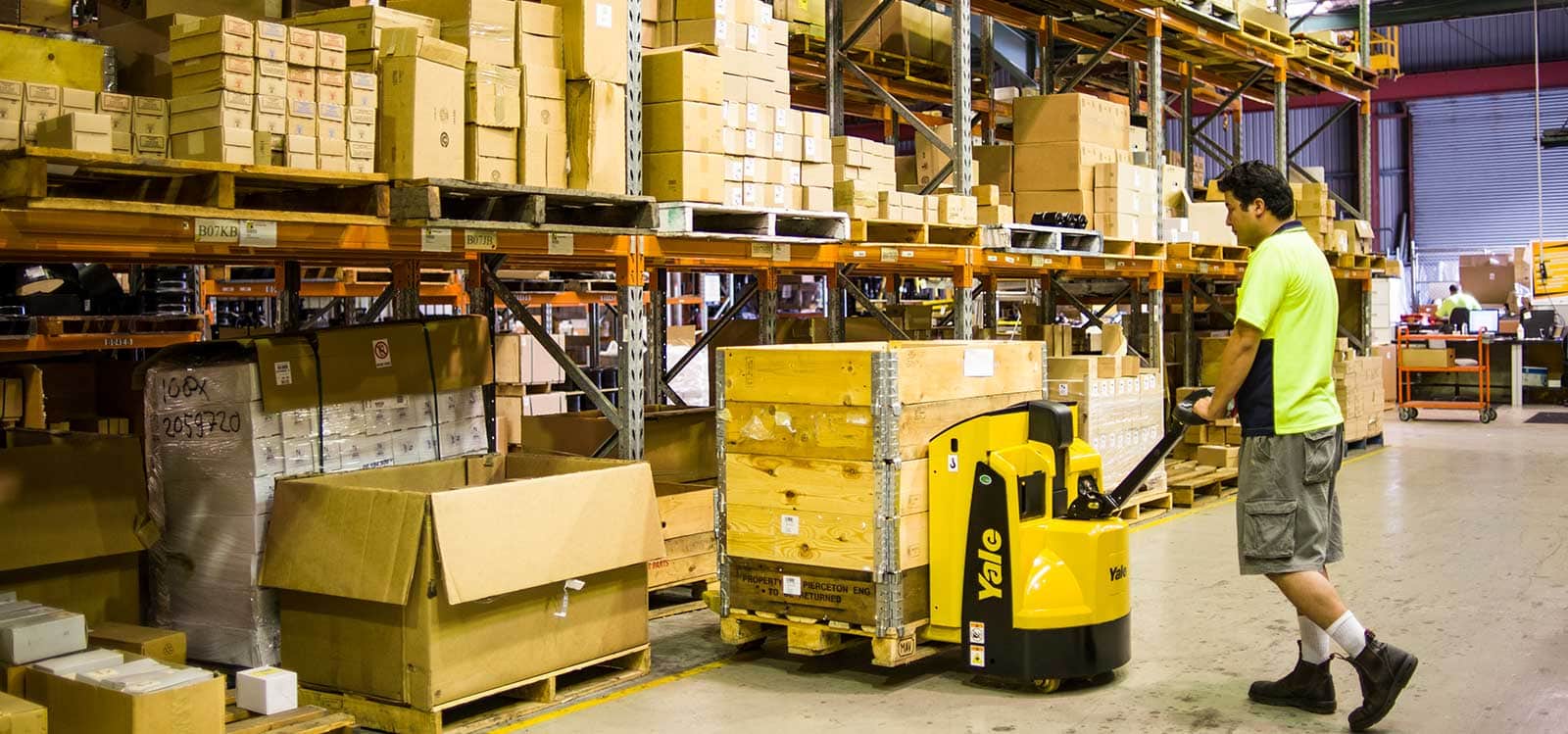
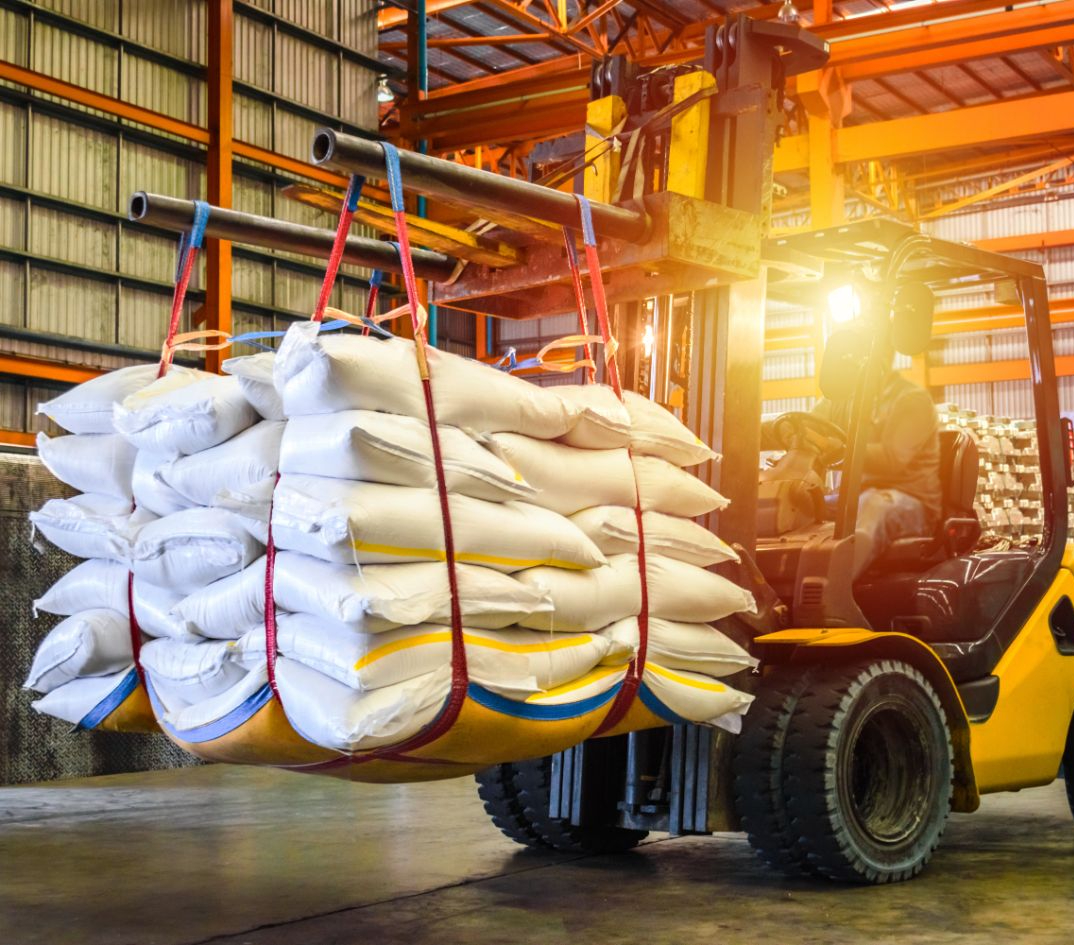
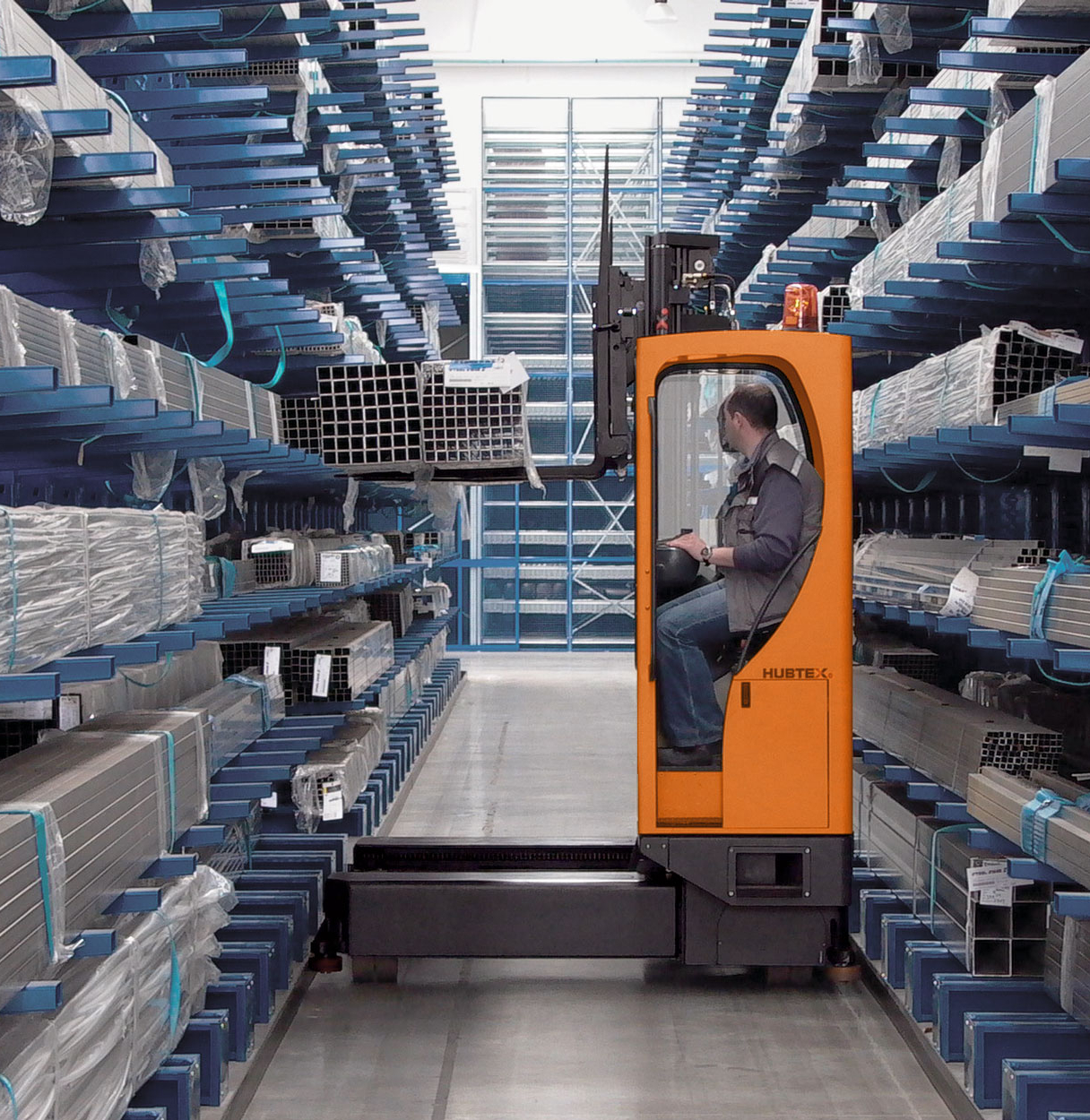
When manually moving materials, employees should seek help when a load is so bulky it cannot be properly grasped or lifted, when they cannot see around or over it, or when they cannot safely handle the load.
Handles or holders should be attached to loads to reduce the chances of getting fingers pinched or smashed. Workers also should use appropriate protective equipment. For loads with sharp or rough edges, wear gloves or other hand and forearm protection. In addition, to avoid injuries to the eyes, use eye protection. When the loads are heavy or bulky, the mover also should wear steel-toed safety shoes or boots to prevent foot injuries if he or she slips or accidentally drops a load.
All stacked loads must be correctly piled and cross-tiered, where possible. Precautions also should be taken when stacking and storing material. Stored materials must not create a hazard. Storage areas must be kept free from accumulated materials that cause tripping, fires, or explosions, or that may contribute to the harboring of rats and other pests.
When stacking and piling materials, it is important to be aware of such factors as the materials’ height and weight, how accessible the stored materials are to the user, and the condition of the containers where the materials are being stored. Non-compatible material must be separated in storage. Employees who work on stored materials in silos, hoppers, or tanks, must be equipped with lifelines and safety belts. All bound material should be stacked, placed on racks, blocked, interlocked, or otherwise secured to prevent it from sliding, falling, or collapsing. A load greater than that approved by a building official may not be placed on any floor of a building or other structure. Where applicable, load limits approved by the building inspector should be conspicuously posted in all storage areas.
When stacking materials, height limitations should be observed. For example, lumber must be stacked no more than 16 feet high if it is handled manually; 20 feet is the maximum stacking height if a forklift is used. For quick reference, walls or posts may be painted with stripes to indicate maximum stacking heights.
Used lumber must have all nails removed before stacking. Lumber must be stacked and leveled on solidly supported bracing. The stacks must be stable and self-supporting. Stacks of loose bricks should not be more than 7 feet in height. When these stacks reach a height of 4 feet, they should be tapered back 2 inches for every foot of height above the 4-foot level. When masonry blocks are stacked higher than 6 feet, the stacks should be tapered back one-half block for each tier above the 6-foot level. Bags and bundles must be stacked in interlocking rows to remain secure. Bagged material must be stacked by stepping back the layers and cross-keying the bags at least every ten layers. To remove bags from the stack, start from the top row first. Baled paper and rags stored inside a building must not be closer than 18 inches to the walls, partitions, or sprinkler heads.
Boxed materials must be banded or held in place using cross-ties or shrink plastic fiber.
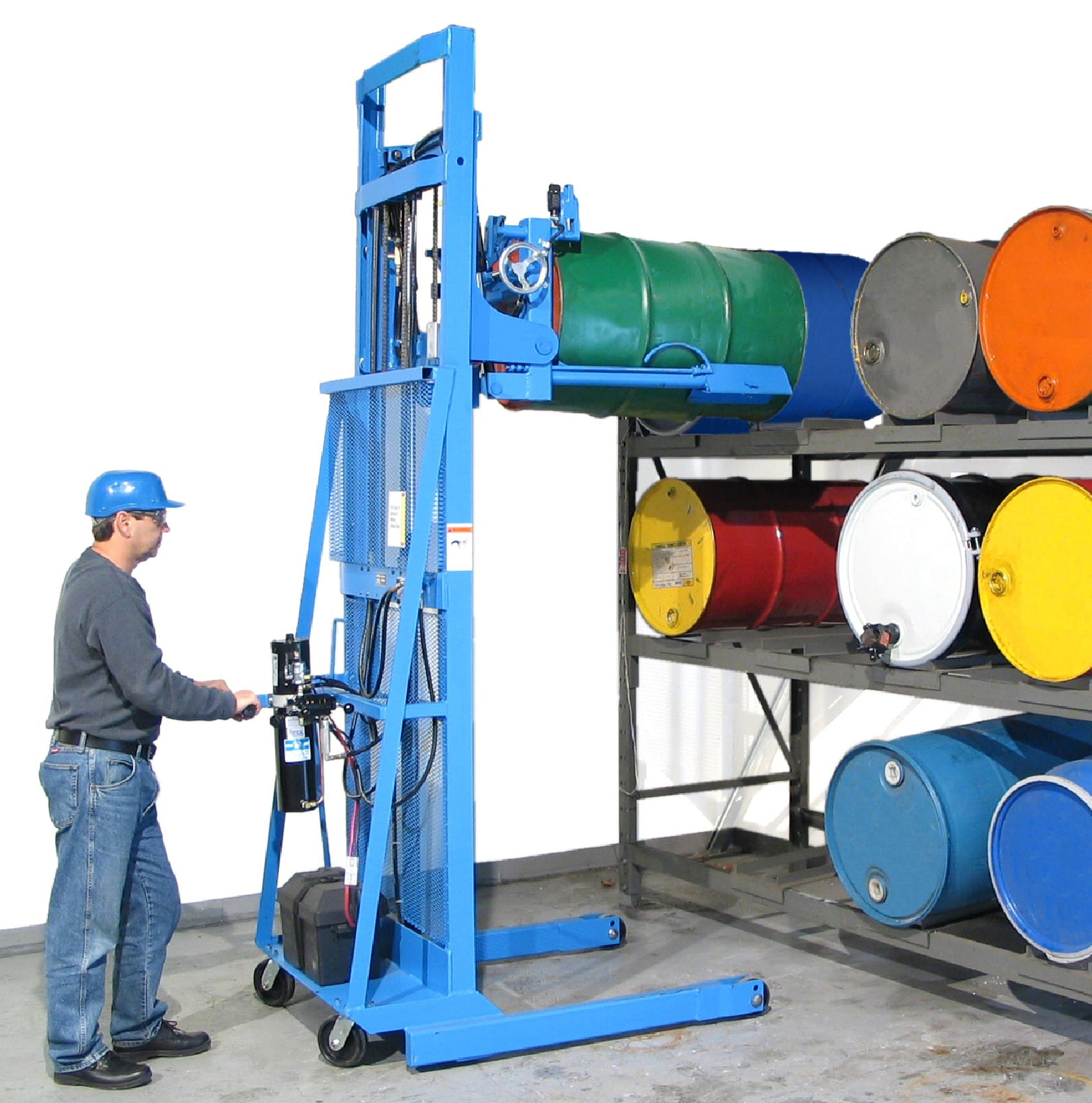
Drums, barrels, and kegs must be stacked symmetrically. If stored on their sides, the bottom tiers must be blocked to keep them from rolling. When stacked on end, put planks, sheets of plywood dunnage, or pallets between each tier to make a firm, flat, stacking surface. When stacking materials two or more tiers high, the bottom tier must be chocked on each side to prevent shifting in either direction. When stacking, consider the need for availability of the material. Material that cannot be stacked due to size, shape, or fragility can be safely stored on shelves or in bins.
Structural steel, bar stock, poles, and other cylindrical materials, unless in racks, must be stacked and blocked to prevent spreading or tilting. Pipes and bars should not be stored in racks that face main aisles; this could create a hazard to passers-by when removing supplies.
Safety Harnesses
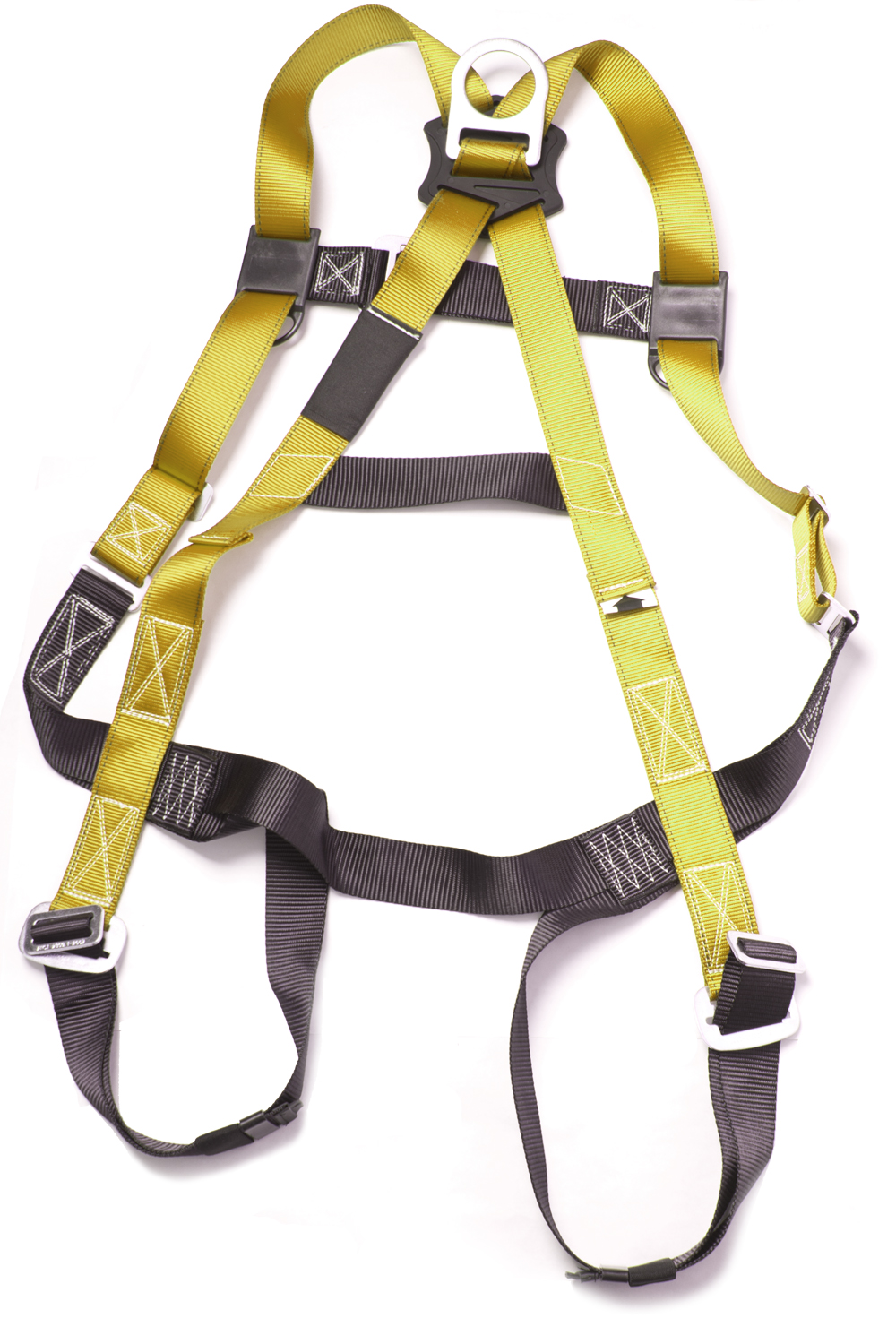
Our range of premium Safety Harnesses are intended to provide the highest levels of safety when working at height. Available to suit all shapes and sizes, each one of our harnesses is complete with certificate of conformity so you can be sure that our Safety Harnesses meet the optimum quality you would expect from any product we provide.
Chain Hoists & Trolleys
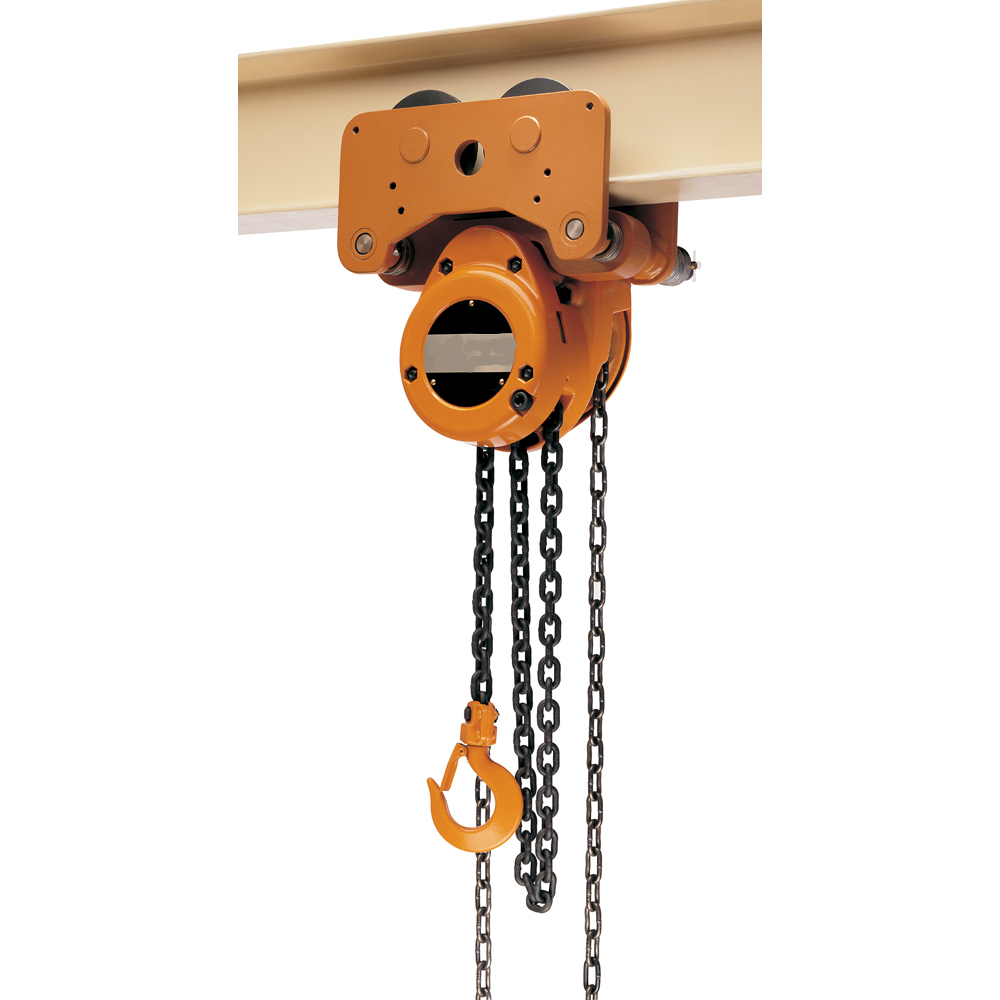
Lifting Equipment Store can supply chain hoists from leading trusted brands to suit all applications up to 20,000kg or otherwise known as 20 tonnes and heights of lift up to 120m. We can supply many alternative and competitive brands such as Yale, Kito, Tractel, CM Lodestar, GIS, Demag, Loadguard, Stahl, Donati and GT.
Machine Skates & Load Moving Skates
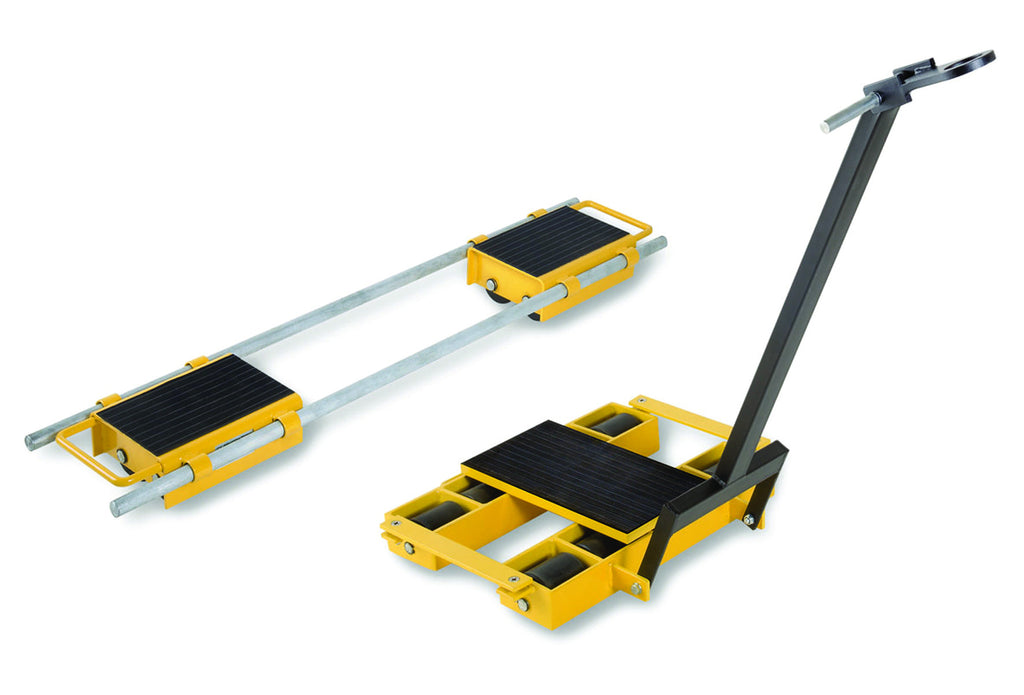
Lifting Equipment Store are worldwide suppliers of high-quality Machine Skates and Load Moving Skates from 10000kg (10 tonnes) up to 100000kg (100 tonnes).
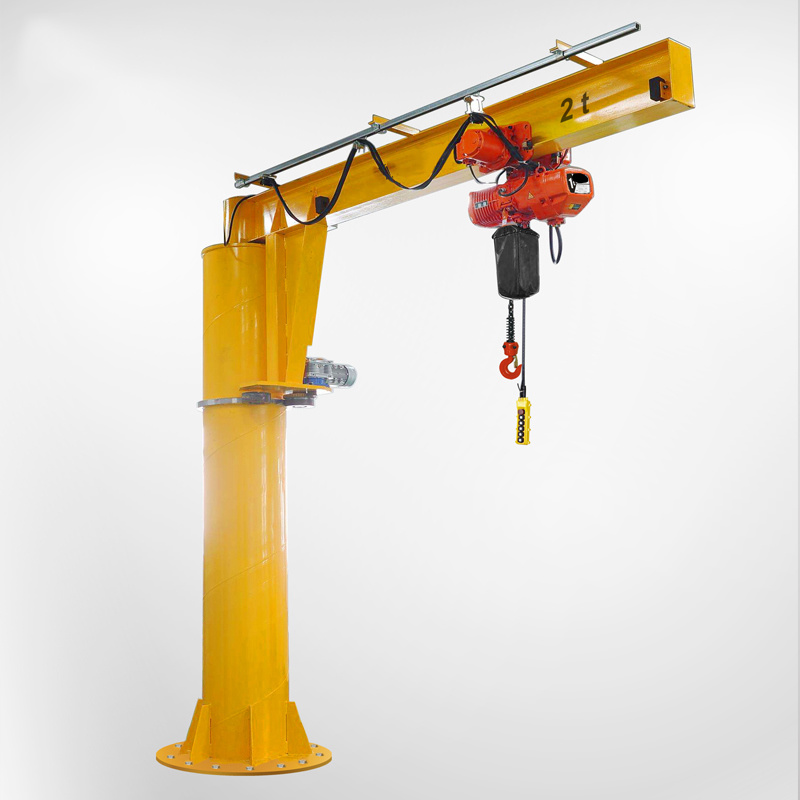
jib crane
jib crane, or a series of jib cranes, can increase production and improve workplace safety at your facility by reducing workplace injuries. Jib cranes are perfectly designed to handle high-volume lifts and provide an ergonomic means of moving material within a work cell or in conjunction with an existing overhead crane system.