loader image

Aim Asia Trading CO

ABRASIVE TOOLS

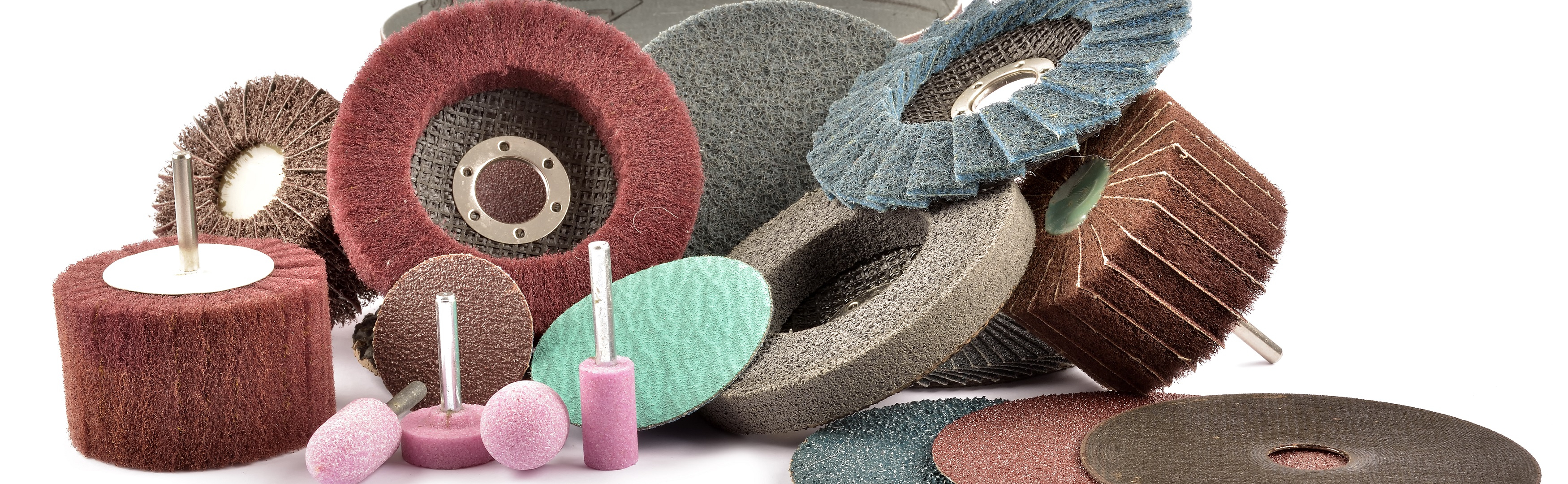
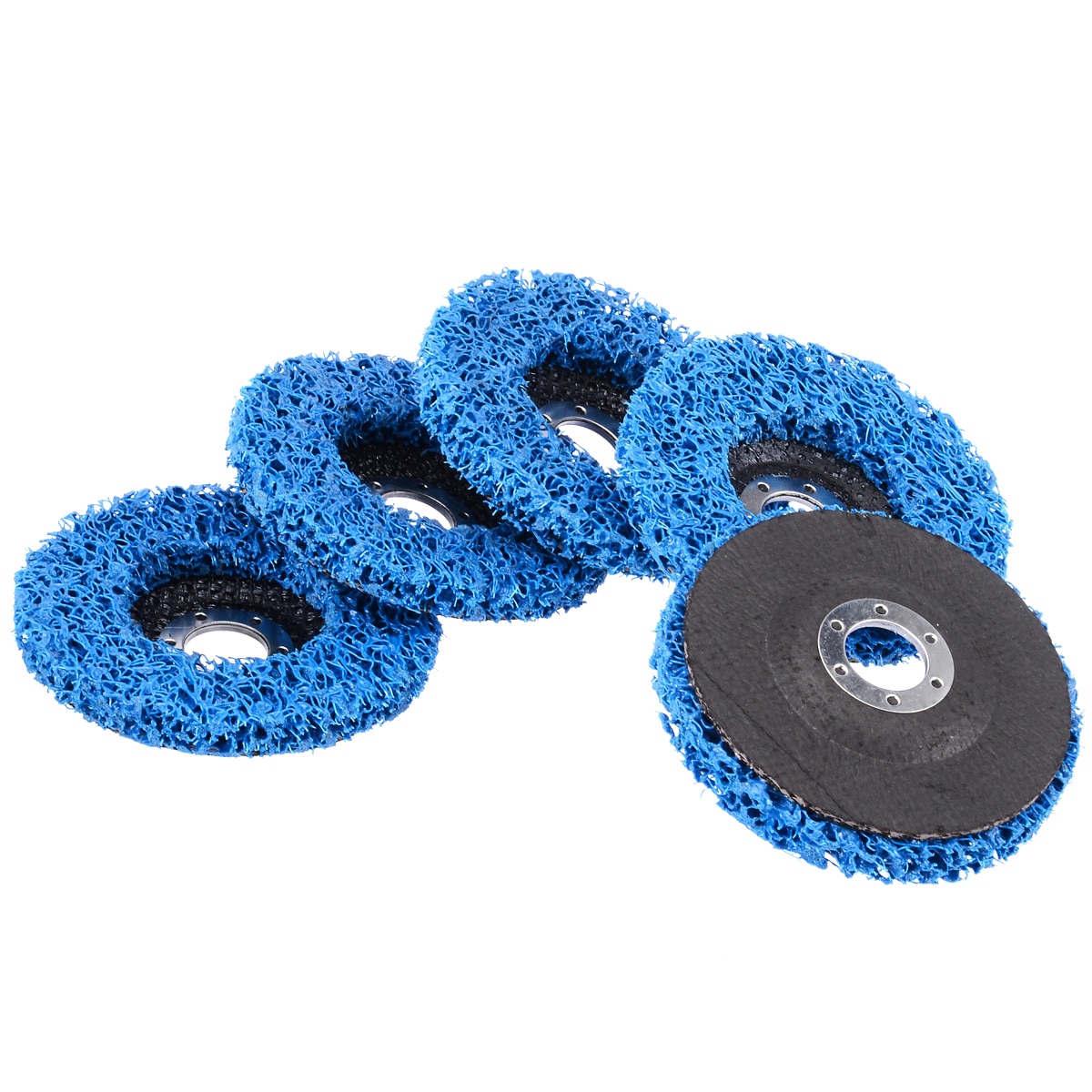
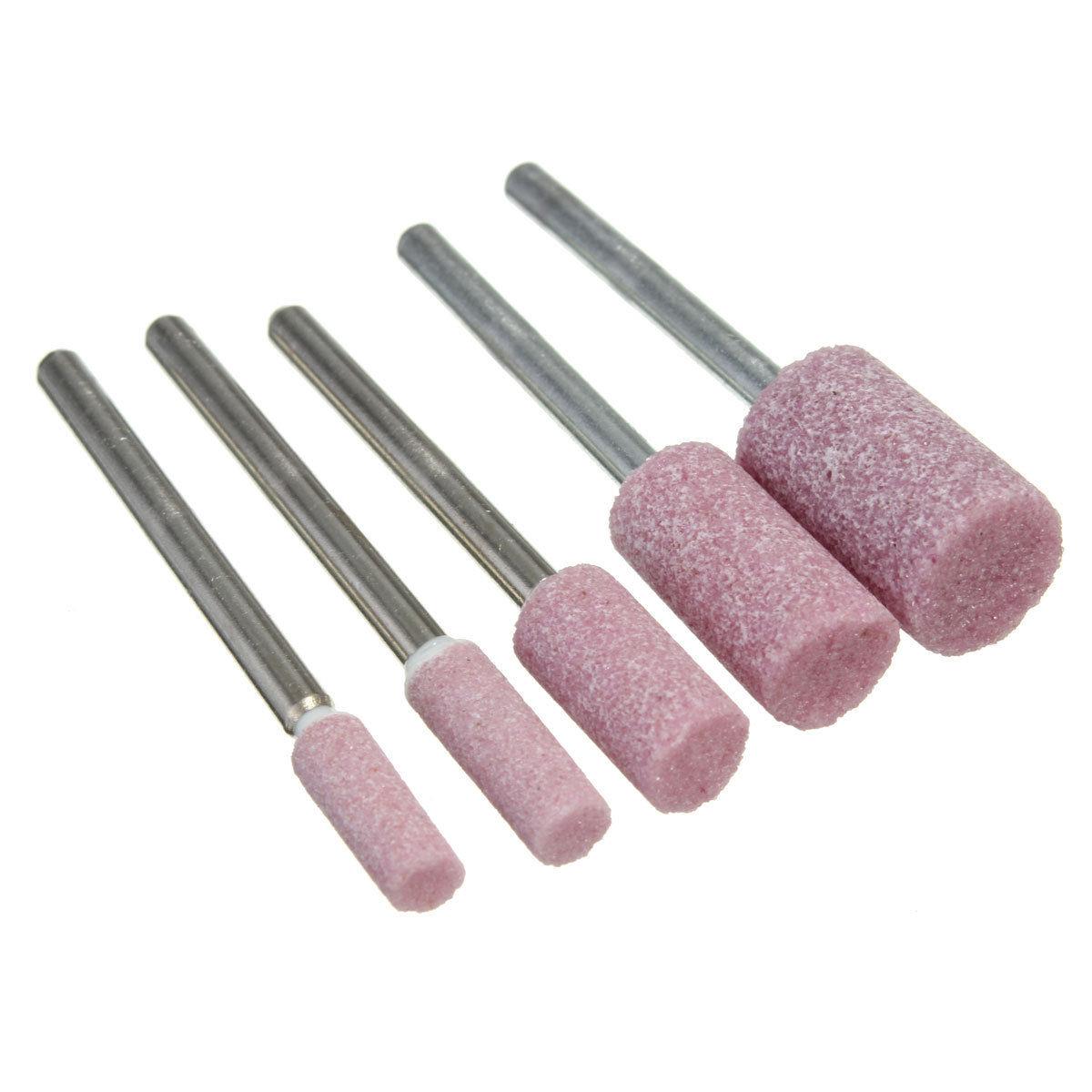
A relatively thin, hand-held tool for abrading, sanding or polishing a workpiece comprised of an elongated body constructed to carry a flexible, endless strip longitudinally therebout. The body includes handlike portion and a workpiece engaging portion, which define the path. Means associated with the handle portion are provided to align said strip with respect to the workpiece engaging portion. The body further includes means for releasably holding the strip under tension in contact with the path.

In many situations in industry, as well as in the home, an abrasive tool is needed to finish the surface of a workpiece or product. Hand-held sanding blocks or grinders generally find advantageous application when the work surface is large or planar, and sufficient room is available to manipulate such tools. With smaller or more detailed work, or in situations where space adjacent the work surface is limited, such tools are unsuitable. For smaller, more intricate work, it is conventionally known to use a nail file, a small swiss file or a folded piece of abrasive. In many instances, these objects do not provide satisfactory results. Abrading a surface with a nail file or a piece of folded abrasive, not only imposes great strain on the hand, but also generally does not permit smooth application of the abrading element. While a swiss file is easier to manipulate, they are relatively expensive, and are not suitable for some buffing or polishing applications.
The present invention overcomes these and other problems and provides an elongated, relatively thin, hand-held abrasive tool having a removable, endless abrasive strip mounted longitudianlly thereabout. The tool includes a grip portion and a workpiece engaging portion at one end thereof. In this respect, the present invention in many ways is like a file in that the grip portion enables accurate and controlled manipulation of the workpiece engaging portion, and its relatively thin, sleek profile permits its application on detailed, intricate surfaces. Importantly however, the removable abrasive strip permits alternate strips having different abrasive characteristics to be used to achieve specific desired workpiece surface features.

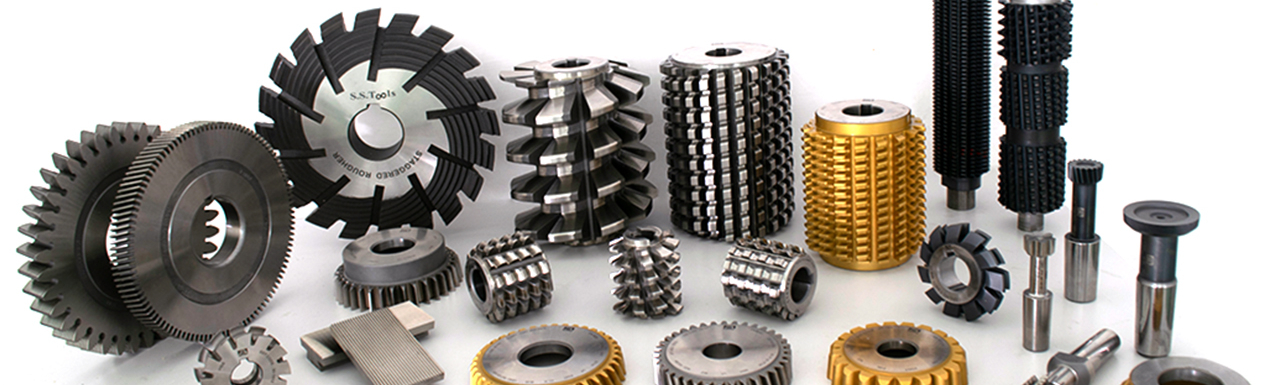
CUTTING TOOLS

The choice of cutting tool materials has a great impact on tool life, machining efficiency, machining quality and machining costs.

The tool must withstand high pressure, high temperature, friction, shock and vibration when cutting.

Therefore, the cutting tool material should have the following basic properties:

(1) Hardness and wear resistance.

The hardness of the cutting tool material must be higher than the hardness of the workpiece material, generally required to be above 60HRC.

The higher the hardness of the tool material, the better the wear resistance.

(2) Strength and toughness.

Cutting tool materials should have high strength and toughness to withstand cutting forces, shocks and vibrations, and prevent brittle fracture and chipping of the tool.

(3) Heat resistance.

The cutting tool material should have good heat resistance, can withstand high cutting temperatures, and has good oxidation resistance.

(4) Process performance and economy.

The tool material should have good forging performance, heat treatment performance, welding performance, grinding performance, etc., and pursue high performance and price ratio.